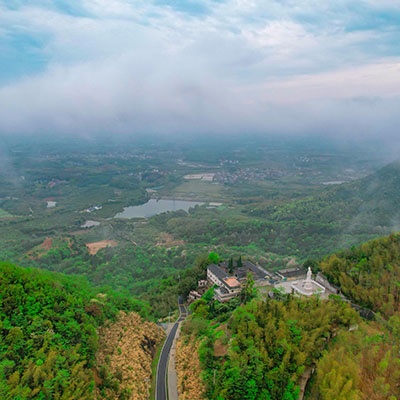
Boat Tours on Guilin’s Two Rivers and Four Lakes
For decades, the iconic image of Guilin has been a solitary fisherman on a bamboo raft against a backdrop of mist-shrouded, karst peaks on the Li River. It’s a scene immortalized on the 20 RMB note and in countless travelogues. But to experience the soul of Guilin—not just its postcard periphery—you
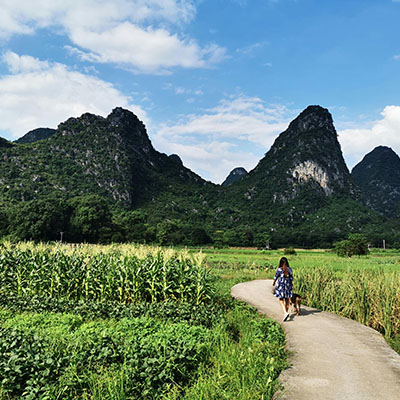
The Complete Guilin Travel Itinerary: From Start to Finish
For decades, the name Guilin has been synonymous with China's most breathtaking natural scenery. It’s the landscape of scroll paintings and poetry, where karst peaks pierce the misty air and rivers wind through emerald fields. But beyond the postcard-perfect views lies a vibrant destination brimming
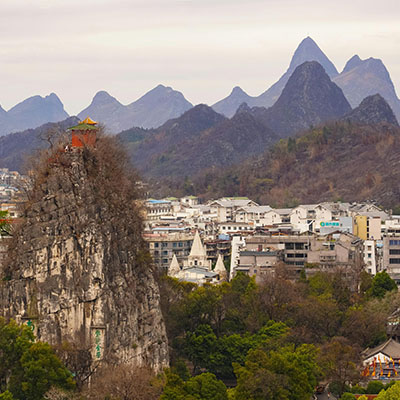
Guilin’s Best Museums for Solo History Buffs
The solo traveler in Guilin faces a delightful dilemma. The siren song of the Li River and the surreal peaks of Yangshuo is powerful, almost overwhelming. Yet, for the history buff who travels alone, there exists a parallel, deeply rewarding path—one that moves beyond the postcard panoramas and into

Guilin’s Cliffside Temples: Where Culture Meets Nature
The postcard is familiar to anyone who dreams of travel: the serene, mist-wrapped peaks of Guilin, the Li River snaking through emerald landscapes, and a lone fisherman on a bamboo raft. It is the very image of natural harmony. Yet, to see only the landscape is to miss half the story. For centuries,
A Luxury Travel Guide to Guilin in Autumn
Autumn in Guilin is not merely a season; it is a masterclass in subtle artistry. The oppressive summer humidity lifts, revealing skies of crystalline azure. A gentle, cool breeze whispers through the bamboo groves, carrying the sweet scent of osmanthus blossoms—the city's floral emblem, whose delica
Elephant Trunk Hill: A Photographer’s Dream Destination
Let’s be honest. Most iconic landmarks, when you finally see them in person, feel smaller than expected. They’ve been photographed from every conceivable angle, filtered into oblivion on social media, and their image is so familiar it almost loses meaning. Then, there’s Elephant Trunk Hill in Guilin
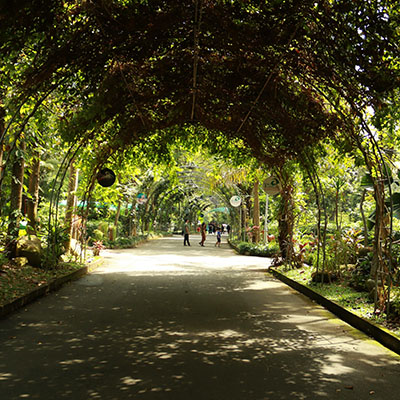
Deciding on Guilin? Here Are the Pluses and Minuses
The name Guilin evokes an almost mythical landscape. It’s the place you’ve seen on postcards, in classic Chinese paintings, and as the backdrop in countless films: those dramatic karst limestone peaks rising mysteriously from the rivers and mist. For many travelers to China, it sits firmly at the to
Reed Flute Cave: A Natural Light Show
The city of Guilin has long been synonymous with a certain kind of magic. Its landscape, a poetic scroll of karst peaks rising from the Li River’s mist, has inspired artists and travelers for centuries. But there is another, more subterranean magic at work here, one that exists in a world untouched
How to Show Respect to Elders in Guilin
The limestone karsts of Guilin rise from the earth like timeless giants, their peaks brushing the clouds in a silent, majestic dance. The Li River winds its way through this painter’s dreamscape, a ribbon of jade connecting villages, bamboo groves, and an ancient way of life. As travelers, we come f
Avoiding Scams in Guilin: A Tourist’s Safety Handbook
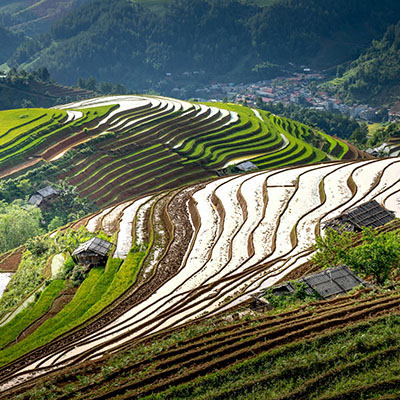
The landscape of Guilin, with its ethereal karst peaks and the serene Li River, is the very image of classical Chinese beauty. It’s a place that promises poetic boat rides, misty mornings over rice paddies, and a deep connection with nature. Yet, for the unwary traveler, this paradise can have its p
About Us

- Evelyn
- Welcome to my blog!
Hot Blog
- Guilin's Fishing Villages: Instagram Documentary Photography
- Guilin Backpacking Adventure: Exploring China’s Stunning Karst Landscapes
- Guilin’s Tea Culture: A Relaxing Escape from Shanghai
- Guilin's Countryside: Packing for Rural Weather and Conditions
- How to Experience Guilin Without Breaking the Bank
- The Essential Guilin: Inspiration in its Purest Form
- Petty Crime in Guilin: How to Protect Your Belongings
- Guilin Group Travel: How to Book Last-Minute Tours
- Guilin Transport Passes: Are They Worth It?
- Off the Beaten Path: Solo Travel in Guilin's Countryside
